




Sulfolane
New findings published June 2026: The National Toxicology Program (NTP) peer-reviewed report titled “NTP Technical Report on the Toxicology and Carcinogenesis Studies of Sulfolane (CASRN 126-33-0) Administered in Drinking Water to Sprague Dawley (Hsd:Sprague Dawley SD) Rats and B6C3F1/N Mice” is now available.
Research Overview
Status: Completed
Substances:
Sulfolane
Nominated:
September 2011
Background Information
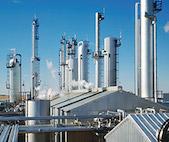
Sulfolane is an industrial solvent used in petroleum refining and natural gas processing. It was found in contaminated groundwater and drinking water wells near a refinery in North Pole, Alaska, prompting comprehensive studies by the National Toxicology Program to address key knowledge gaps about the potential toxicologic, carcinogenic, and developmental effects of exposure.
Sulfolane contamination has raised concern because the substance can move into groundwater and lead to human exposure through drinking water. Exposure may also occur through inhalation or skin contact for those who work in industries using sulfolane.
NTP Studies & Findings
What did the studies find?
See the table below for more information on NTP research related to sulfolane.
| Study | Description | Status | Findings & Supporting Files |
|---|---|---|---|
| Two-year toxicity and carcinogenicity studies | Studies to determine effects of long-term exposure on rats and mice, including any potential carcinogenic effects. Studies also include an assessment of developmental effects in rats and a three-month interim study in rats and mice to identify effects after subchronic exposure. | Completed | Findings: |
| Immunotoxicity study | Rat and mouse studies to determine the potential of sulfolane to effect immune system function. | Completed | Supporting files: |
| 28-day toxicity study | Studies in multiple animal species to determine species sensitivity. | Completed | Supporting files: |
| Absorption, distribution, metabolism, and excretion | Animal studies to investigate how well sulfolane was absorbed into the body, where it circulated in the body, and how it was cleared following oral administration and skin application. | Completed | Findings:
Supporting files: |
Research at Other Agencies
United States
- Alaska (AK)
- Health Consultation: Sulfolane Plume in Groundwater: Evaluation of Community Concerns About Sulfolane in Private Water Wells
- North Pole Refinery Project Documents – This website contains many resources on sulfolane, including fact sheets, newsletters, press releases, FAQs, and reports regarding drinking water, site characterization and remediation, and human health and toxicology.
- North Pole Refinery | AK Dept. of Environmental Conservation
- Human Health and Toxicology - Sulfolane and PFAS | AK Dept. of Environmental Conservation
- US Environmental Protection Agency: National Center for Environmental Assessment
- US Centers for Disease Control and Prevention: Agency for Toxic Substances and Disease Registry
Informational Resources
Nominations
Stay Informed & Contact Us

Stay Informed
Subscribe to receive email to stay informed about sulfolane research and other NTP information.
Contact Us
For questions or additional information, email us or use our contact form.